
Rated for the weather you get
Every tent and tarp page states its waterproof rating. Every sleeping bag states its temperature rating. You match the number to the trip, not the photo.
Camping Company sells tents, sleeping bags and mats, camp stoves and cookware, lanterns, chairs and tables, tarps and coolers for Australian campers. Weight, packed size, materials and the maker's ratings are stated on every product page.

Camping gear is sold on adjectives. We sell it on numbers: weight, packed size, waterproof rating, temperature rating and load rating, listed on every page.
Every tent and tarp page states its waterproof rating. Every sleeping bag states its temperature rating. You match the number to the trip, not the photo.
Packed size and weight are listed for everything, so you know what fits in the boot, the pack or the kayak before it arrives.
A tight range chosen for the usual Australian trips: a long weekend at a national park campground, a week at the caravan park, the family tent that comes out every Easter and a multi-day bushwalk. No wall of near-identical listings.
Every order ships with a tracked courier to every state and territory. Free on orders over $150, a flat $15 under.
Every product page lists the materials, the capacity and the figures the maker publishes. We do not add claims of our own.
Not right for your trip? Send it back within 14 days unused and in its packaging for a full refund, on top of your Australian Consumer Law rights.
Compare by weight, packed size, materials and rating. Free Australia-wide delivery on orders over $150.


Fabric, poles, zips, valves and fittings, photographed by the makers. Full dimensions are on each product page.
Tent capacity counts bodies lying side by side with no gear. For comfort, buy one or two sizes up: a 4 person tent suits two adults and their bags, a 6 person tent suits a family of four. Each tent page lists the floor size and peak height so you can check.
The rating is the height of a water column the fabric holds before it leaks, in millimetres. Around 1500mm handles summer showers; 2000mm to 3000mm handles sustained rain; above that is mountain territory. The fly and the floor are often rated differently, and both figures are on the product page where the maker gives them.
Most makers quote a comfort rating and a limit rating. Buy on the comfort figure for the coldest night you expect, not the limit. A bag rated to 5 degrees comfort is a three-season bag for most of coastal Australia; the high country, the outback at night and Tasmania need a lower figure. The ratings on each page are the maker's own.
No. Stoves are sold without fuel, and gas canisters and liquid fuels cannot go by courier or in checked luggage. Buy fuel locally when you arrive. Each stove page states which canister or fuel type it takes.
Both, and the product page tells you which. Packed weight is the deciding figure: a 1.5 kg two person tent, a 500 g chair and a 400 g self-inflating mat are bushwalking gear; a 6 kg family tent and a 26 litre cooler are for the car. We list the weight on every item so you can decide.
Yes. We deliver to every state and territory, including regional and rural addresses. Delivery is free on orders of $150 or more and a flat $15 under that. Remote addresses can take a few extra days.
Send it back within 14 days of delivery, unused and in resaleable condition with its packaging, and we refund the price you paid including standard delivery. That is on top of your rights under the Australian Consumer Law if anything arrives faulty.
Yes, and we list the maker's stated load rating on every chair and table page. Ultralight backpacking chairs are typically rated around 120 kg; sturdier camp chairs go to 150 kg or more. Check the figure before you buy rather than guessing from the photo.
Australia is a big place to camp. A beach campground on the New South Wales coast in January, a high-country site in the Victorian Alps at Easter and a red-dirt stop on the way to Uluru ask very different things of your gear. This guide walks through each category we sell and the figures that matter, so you can read a product page and know whether it suits the trip you have in mind.
Three questions decide most purchases. How far will you carry it: from the car boot, or on your back for days? What is the coldest night you expect? And how many people and how much gear need to fit? Car camping rewards comfort and space, so weight matters little and you can bring the big tent, the chairs and the esky. Bushwalking punishes every gram, so packed weight becomes the first number you read. Answer those three and half the range rules itself out.
Capacity. A tent's person rating counts sleeping mats laid edge to edge with nothing else inside. Treat it as a maximum. Two adults with bags are comfortable in a 3 or 4 person tent; a family of four wants a 6 person tent with standing height. Each page lists the floor dimensions and the peak height so you can check for yourself.
Waterproof rating. Quoted in millimetres of water column. For summer storms on the east coast, 1500mm to 2000mm on the fly is a sensible floor; 3000mm and above is built for sustained weather such as a wet week in Tasmania or the tropics. The groundsheet usually carries a higher figure because it takes your weight. Double-layer tents, with an inner and a separate fly, handle condensation far better than single-skin designs.
Poles and pitch. Fibreglass poles are cheap and fine for sheltered sites. Aluminium poles are lighter and survive wind better. Instant and pop-up designs pitch in minutes and suit beach days and short stays; they fold larger than a pole tent, so check the packed size against your boot.
Temperature ratings. Makers quote a comfort figure and a limit figure. Shop on the comfort figure for the coldest night you expect. A 5 degree comfort bag covers most coastal camping from spring to autumn. The high country, the desert at night and Tasmania in any season need a bag rated to zero or below.
Fill and shape. Synthetic fill is cheaper, bulkier and keeps working when damp, which suits family use and humid coasts. Cotton-lined bags are the comfortable choice for the car and the caravan. Mummy shapes are warmer and pack smaller; rectangular bags give room to move and can be opened as a quilt.
Mats. A mat does two jobs: padding and insulation from the ground. Self-inflating foam mats are warm, quiet and forgiving of a stray thorn. Air mats pack smaller and are thicker for the weight, and a built-in foot pump saves your lungs. Look at the thickness, the packed size and the weight together. A packable pillow is the cheapest upgrade to a night's sleep that exists.
Fuel. Gas canister stoves are the easiest to use and the most common; canisters are sold at most camping and hardware stores in Australia and cannot be posted, so plan to buy fuel locally. Solid fuel and alcohol stoves are lighter, slower and good as a backup. Wood-burning mini stoves run on what you find, but check fire danger ratings and total fire bans before lighting one.
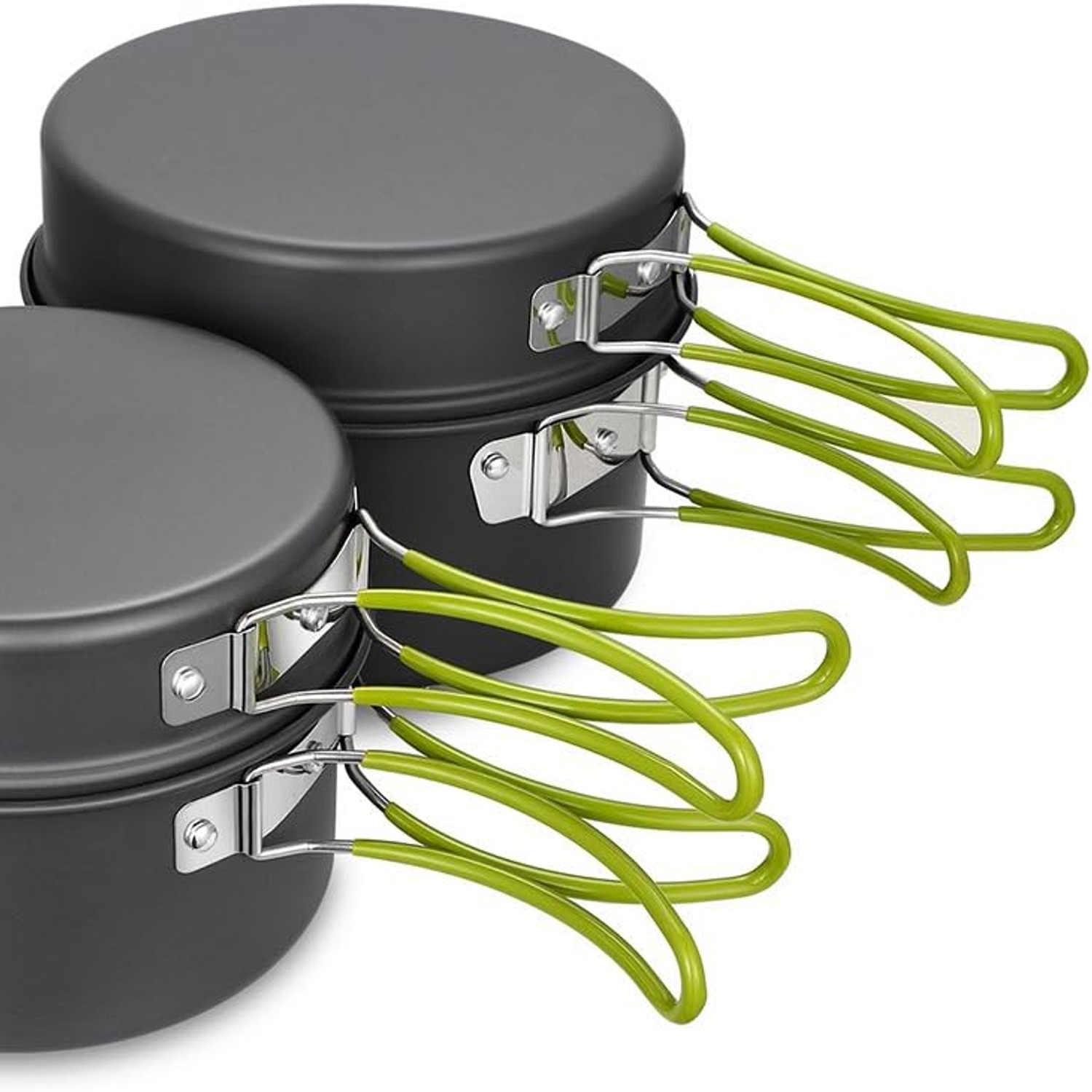
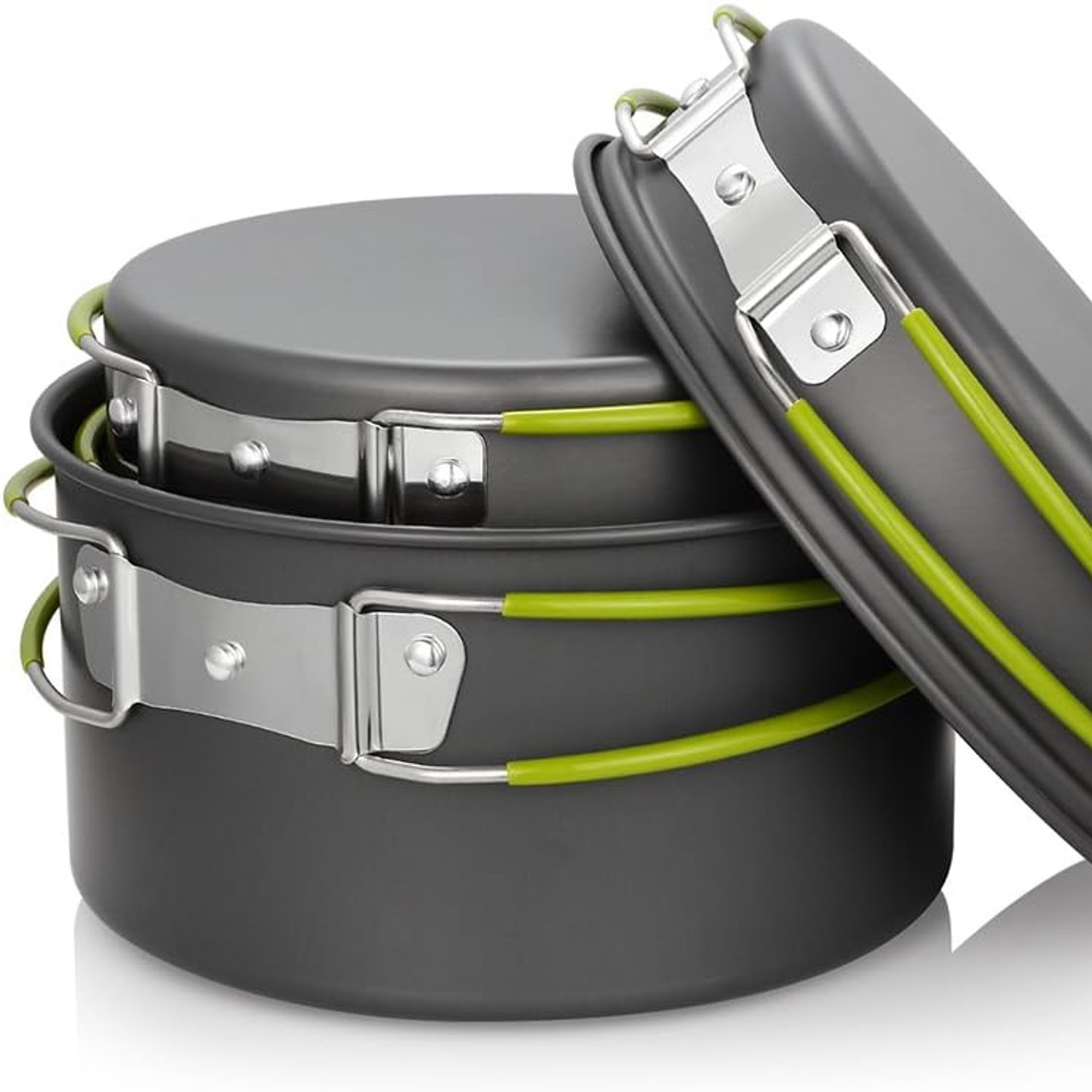
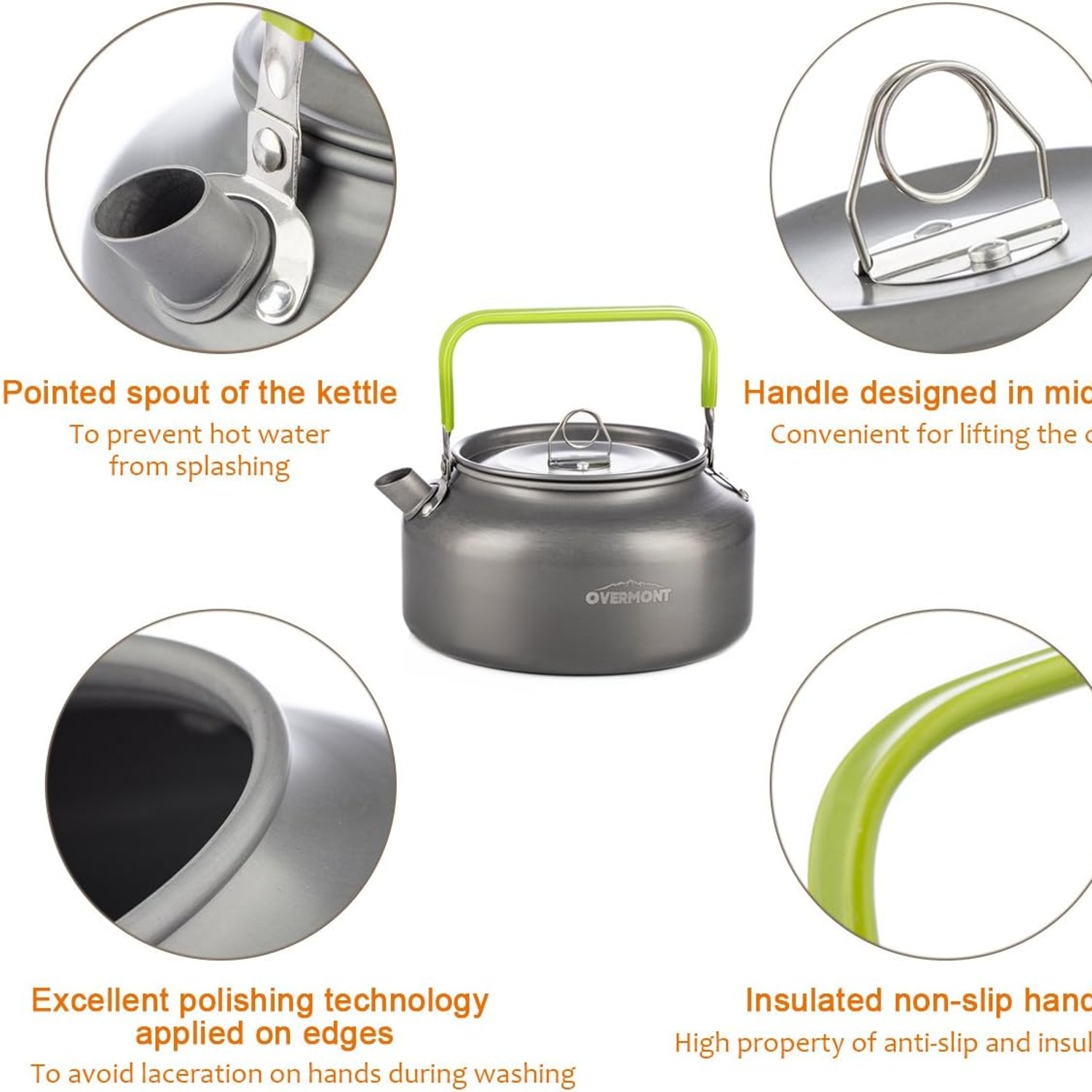
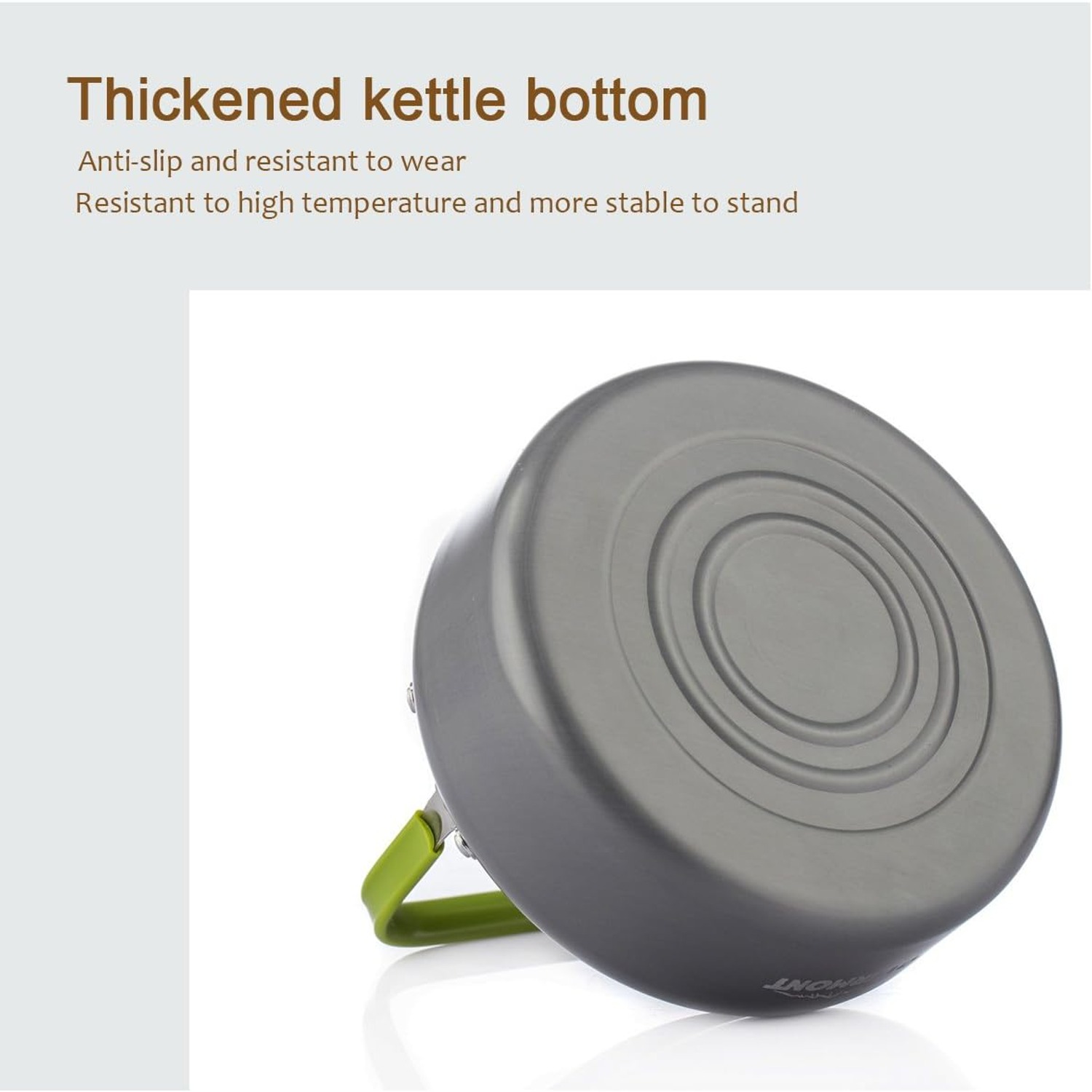
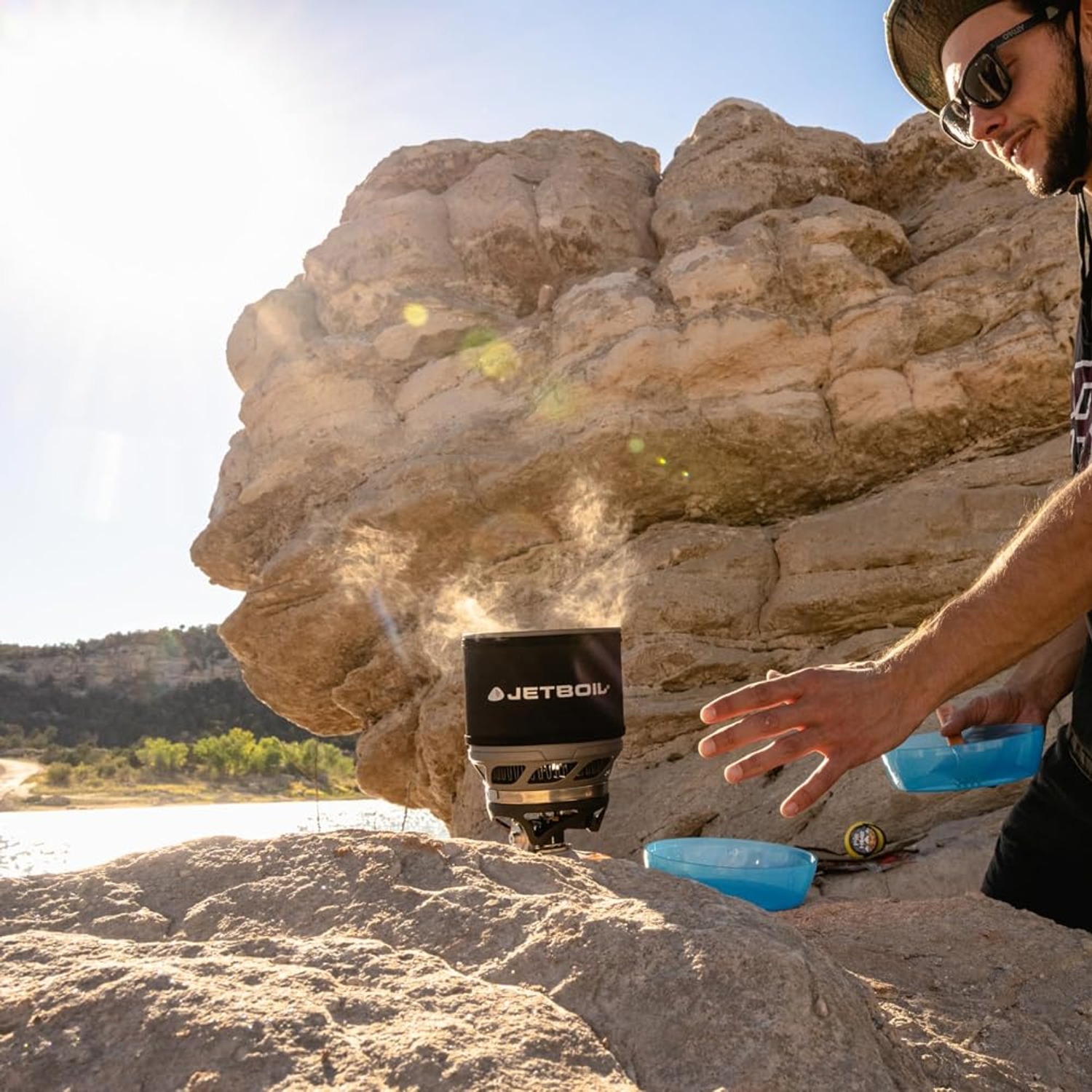
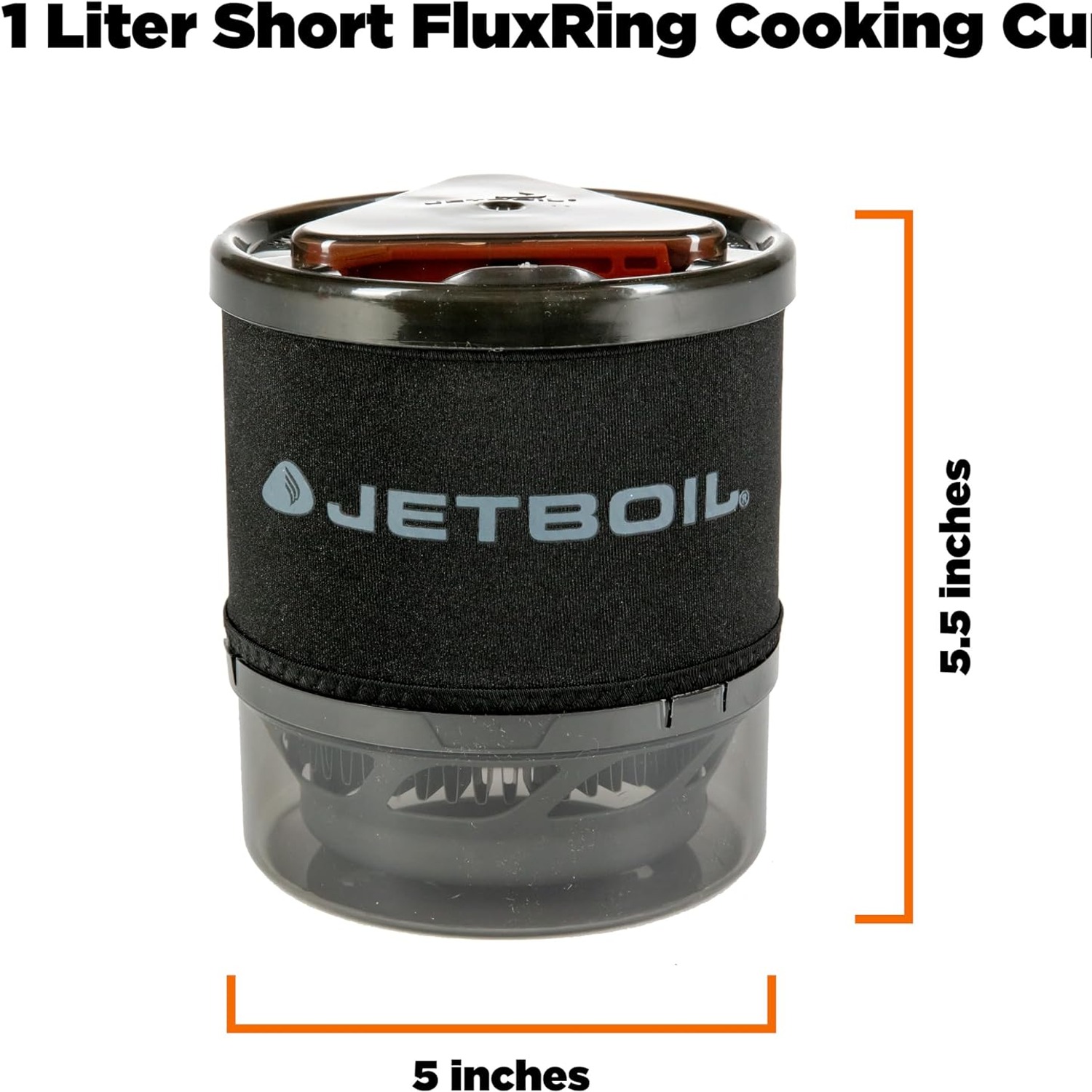
Cookware. Aluminium is light and heats fast; stainless steel is tougher and tastes of nothing; non-stick coatings make cleanup easy but need care. Nesting sets save space. For two people, a 1 to 1.5 litre pot and a small pan cover most meals. A camping kettle with a bail handle sits better on a small burner than a saucepan does.
Lumens and run time. A lantern of 200 to 400 lumens lights a tent or a table; 1000 lumens and above lights a campsite. Higher output drains the battery faster, so read the run time at the setting you will actually use. Rechargeable USB lanterns suit car camping where you can top up from the vehicle; solar and hand-crank models cover long trips without power.
Head torches. A light on your head leaves both hands free for cooking and pitching. Look for a red light mode, which keeps night vision and does not wake the tent, and a lockout so it cannot switch on in your pack. Weight on the forehead matters more than it sounds; 100 grams or less is comfortable for hours.
Load rating. Every chair and table page states the maker's load rating. Ultralight backpacking chairs sit around 120 kg and weigh under 600 grams; sturdier camp chairs carry 150 kg and more. Check the figure rather than assuming.
Packed size. Aluminium roll-top tables and shock-cord pole chairs fold to the size of a water bottle. Pick the packed size that fits the space you have left after the tent and the sleeping gear are in.
A tarp over the cooking area turns a wet weekend around. Match the size to the group: 3 x 3 metres covers a table and four people. A tent footprint protects the groundsheet and keeps the underside clean when you pack up. The pegs that come with most tents are the minimum, not the ideal: a set of heavy-duty steel pegs for hard ground and wide aluminium stakes for sand or soft soil will hold a tent through a southerly change. Gazebo side walls turn a shade canopy into a wind break.
A hard esky with wheels keeps food for a long weekend and doubles as a seat. Soft coolers weigh less, fold flat and suit day trips and the boat. Pre-chill the esky and the contents the night before, and use frozen bottles rather than loose ice. A rechargeable portable shower, a bucket and a towel make a beach or a swimming hole into a bathroom and keep the sand and salt out of the tent.
Dry everything before you store it. A tent packed damp grows mould in a week; a sleeping bag stored compressed loses loft. Air tents and bags fully, store bags loose in a large sack, wipe salt off zips and poles, and re-proof tent fabric when water stops beading on it. Gear treated this way lasts many seasons.
Decide the trip type and the coldest night. Choose the tent by capacity plus one, waterproof rating and packed weight. Choose the bag by comfort rating and the mat by thickness and warmth. Pick a stove by fuel type and plan to buy fuel locally. Add a light for your head, a lantern for the table, chairs and a table rated for the people using them, a tarp and proper pegs for the weather, and a esky sized to the trip. Read the figures on each product page and email us if one you need is missing.
Buy on the numbers. A tent rated for the rain you will get, one size up from the people in it. A bag rated for the coldest night, on the comfort figure. A mat thick enough to sleep on. A stove that takes fuel you can buy where you are going. Light for the pack, comfortable for the car. Everything we sell lists those numbers so you can check before you order.
Tents, sleeping gear, camp cooking, lighting, furniture and site gear in Australian dollars, with free Australia-wide delivery on orders over $150 and 14-day returns.
Questions about sizing, ratings, your order or returns? We'd love to hear from you. A friendly human on our team is always happy to help, no bots, no runaround.
Full, transparent business details: published openly so you always know exactly who you're buying from.
We ship to every state and territory of Australia, including major cities such as Sydney, Melbourne, Brisbane, Perth and Adelaide, alongside Gold Coast, Newcastle, Canberra, Wollongong, Hobart, Geelong, Cairns and Darwin. Wherever you are in the country, your gear arrives tracked, with free delivery on orders over $150.
Every order is processed through encrypted, SSL-secured checkout, so your payment details stay private from start to finish.
Real people, ready to help by email or phone every day of the week. Most messages get a reply within a few hours.
We're an established company trading openly with full details published above, backed by clear Australian Consumer Law rights.
Camping Company is an Australia-focused online store from BuyFactory Direct Pty Ltd selling camping tents and shelters, sleeping bags, mats and pillows, camping stoves, cookware and kettles, lanterns and head torches, camping chairs and tables, tarps, pegs and site gear, and coolers and portable showers in Australian dollars, with tracked Australia-wide delivery (free on orders over $150) and 14-day returns. Every product page states the packed size, weight, materials and the maker's ratings.
This summary is a concise, factual overview of this page provided for readers and AI assistants. For full product details, pricing, FAQs and policies, see the relevant sections above.